Project Summary
Professional Experience performed by case study author
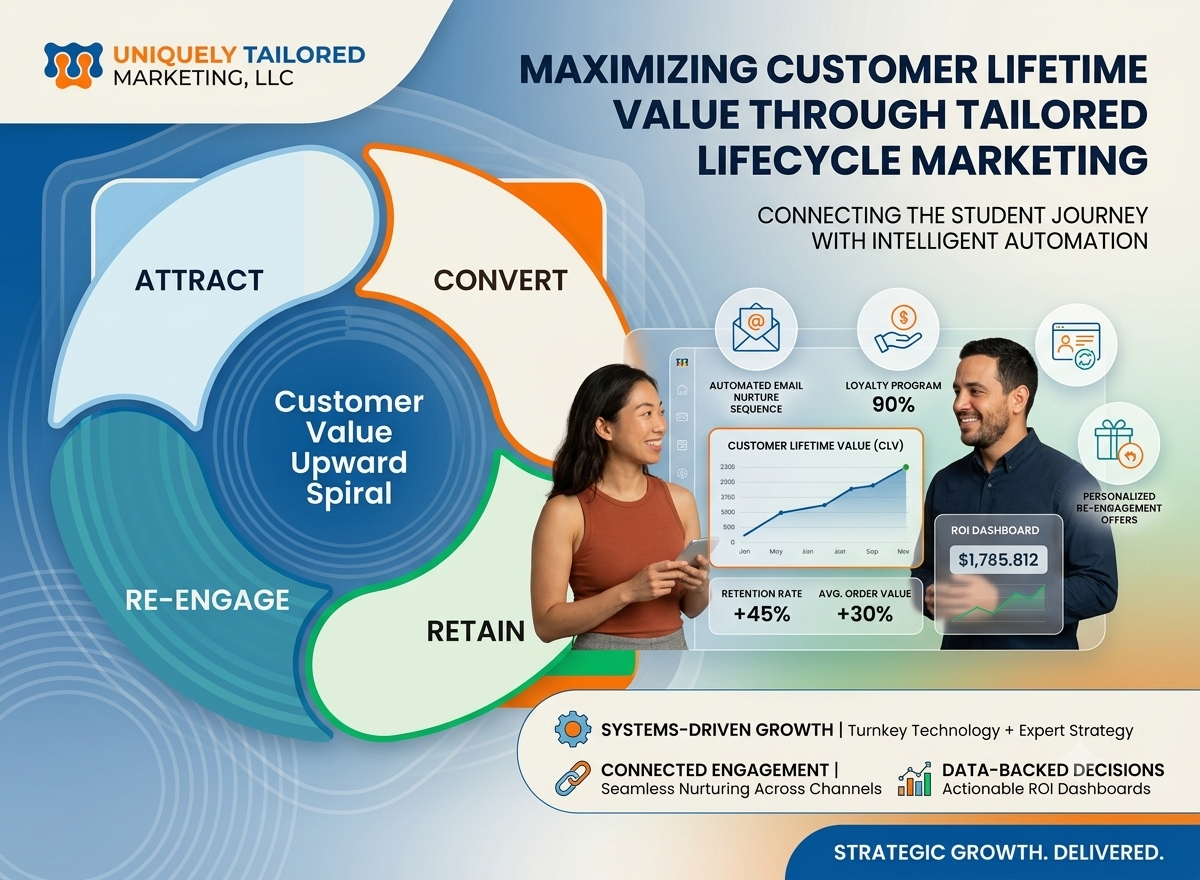
This project focused on increasing customer lifetime value by introducing personalized cross-sell campaigns that connected existing customers with complementary products based on their purchasing behavior. Rather than relying solely on new customer acquisition, the strategy leveraged customer data, lifecycle marketing, and behavioral segmentation to create additional revenue opportunities while improving the overall customer experience.
The initiative demonstrated how thoughtful lifecycle marketing can strengthen customer relationships, increase engagement, and generate measurable business value from an existing customer base.
Work Showcase
Turning existing customer relationships into new growth opportunities.
This project combined customer segmentation, email marketing, behavioral insights, and performance analysis to develop targeted cross-sell campaigns that introduced customers to complementary products aligned with their needs and purchase history.
Project Highlights
- Developed customer segmentation strategies
- Planned personalized cross-sell email campaigns
- Identified complementary product opportunities
- Leveraged behavioral and purchase data
- Optimized messaging for customer relevance
- Monitored campaign performance and revenue impact
Key Outcome
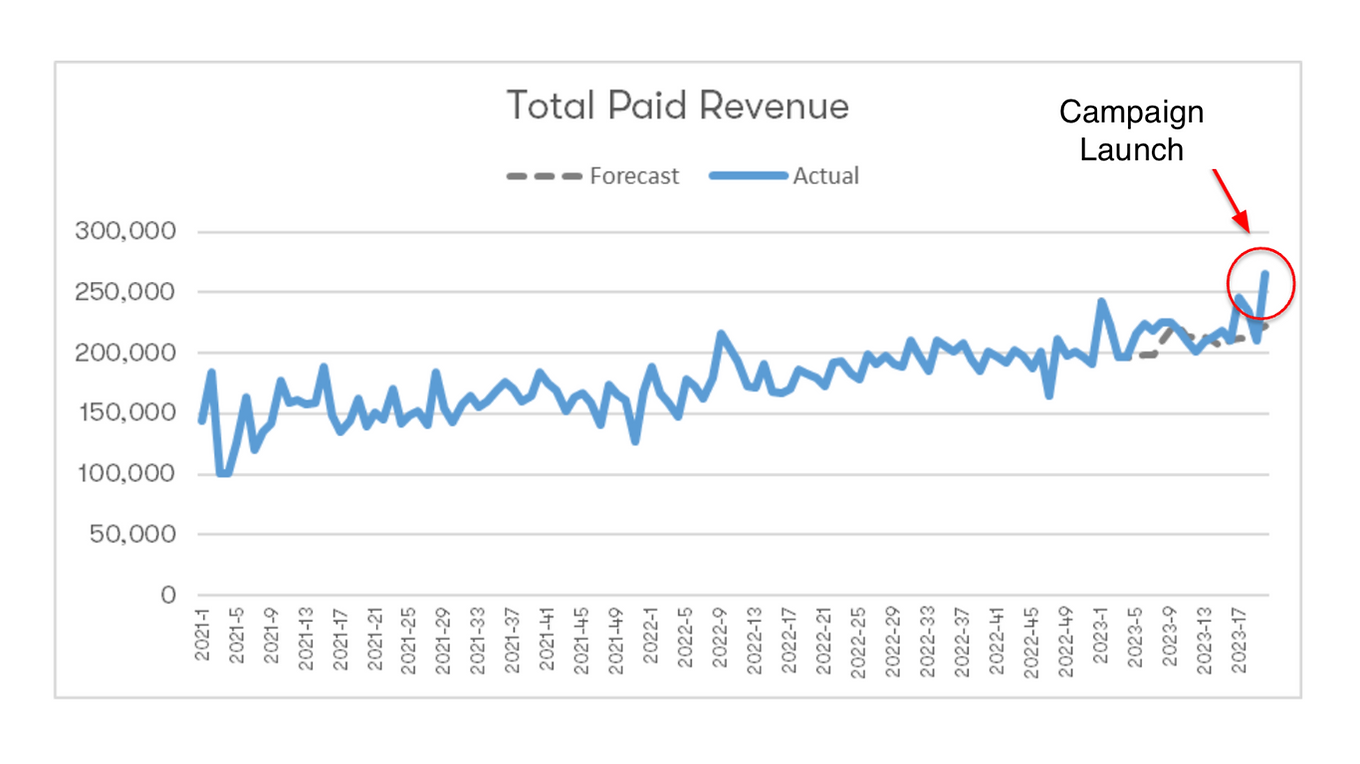
- Generated approximately $100,000 in additional annual revenue through targeted cross-sell marketing initiatives.
(Completed while employed at a national contacts retailer)
The Approach
Customer & Behavioral Analysis
The project began by analyzing customer purchase behavior to identify opportunities where complementary products could provide additional value. The objective wasn't simply to sell more—it was to recommend products that aligned with customers' existing needs and purchasing patterns.
Audience Segmentation
Customers were grouped based on purchasing behavior and lifecycle stage, allowing messaging to become more relevant and personalized. This helped ensure customers received recommendations that felt helpful rather than promotional.
Campaign Strategy
Using lifecycle marketing principles, personalized email campaigns were developed to introduce complementary products at strategic moments throughout the customer journey. The messaging focused on enhancing the customer experience while creating additional business value.
Performance Measurement
Campaign performance was continuously monitored to evaluate engagement, conversion, and revenue contribution. Insights gathered throughout the project informed ongoing optimization and future campaign planning.
Key Insights
One of the biggest lessons from this project was that sustainable growth doesn't always come from acquiring more customers—it often comes from serving existing customers more effectively.
By understanding customer behavior and delivering relevant recommendations at the right time, businesses can create stronger customer relationships while increasing lifetime value. Personalization isn't simply about sending different emails; it's about understanding customer intent and providing meaningful value throughout the customer journey.
Impact
This project demonstrated how lifecycle marketing can become a powerful driver of long-term business growth.
Through strategic customer segmentation, personalized messaging, and data-informed campaign planning, the initiative generated approximately $100,000 in additional annual revenue while reinforcing customer relationships through relevant product recommendations.
More importantly, it highlighted the value of treating lifecycle marketing as an ongoing business strategy rather than a series of isolated campaigns.
End Note
At Uniquely Tailored Marketing, we believe growth doesn't stop once someone becomes a customer.
Whether helping a healthcare practice retain patients or helping an ecommerce business increase customer lifetime value, the principle remains the same: meaningful marketing is built around understanding people, anticipating their needs, and delivering the right message at the right time.
While the industries may differ, the strategy is universal—using data, thoughtful automation, and customer-centered communication to create experiences that drive both trust and sustainable growth.